Sutherlands Organic Solutions
“We are a lawn care company committed to helping your lawn look its best and our earth help itself.”
A Blanket of Benefits: What Snow Does for Your Grass
Benefits of Snow for Your Lawn
Snow is highly beneficial for your lawn. Often acting as nature’s winter coat and a natural fertilizer.
- Natural Insulation – Snow acts like a blanket, protecting grass roots from extreme cold and freeze-thaw cycles that can cause damage. Snow traps air pockets that act as a thermal blanket, protecting the grass roots and crowns from sub-zero temperatures and harsh, drying winds. A few inches of snow can keep the soil 30-35 degrees warmer than the air above.
- Moisture Boost – As the snow melts, it provides a slow-release watering system and deep watering that helps soil recharge before spring. This gradual moisture absorption is better for the soil than heavy rains.
- “Poor Man’s Fertilizer.” – Snowflakes capture nitrogen from the atmosphere as they fall. When the snow melts, this nitrogen is released into the soil, providing a small but valuable nutrient boost for spring greening.
- Protection from Frost Heaving: A stable layer of snow prevents the soil from rapidly freezing and thawing, which can push grass roots out of the ground (Frost Heaving) and cause them to dry out.
Important Precautions
- Avoid Compaction: Never walk or play on a snow–covered lawn. This compresses the snow into ice, which can suffocate the grass or break the brittle, frozen blades.
- Watch for Snow Mold: If thick snow sits on long grass for months, it can create a damp environment that fosters snow mold, a fungal disease that appears as pink, gray, or brown matted patches in the spring.
- Salt Damage: Be careful when using rock salt on nearby walkways; salt can leach into the soil and dehydrate the grass.
The Key Takeaway
A consistent layer of snow = good news for your lawn. Think of it as winter skincare for grass, protective, hydrating, and quietly working its magic until spring. 🌼
Snow Mold: What, Why and The Fix
❄️ What Is Snow Mold?
Snow mold is a group of fungal diseases that develop under snow cover when the ground isn’t frozen. The two main types are:
- Gray snow mold (Typhula species)
- Pink snow mold (Microdochium nivale)
🌱 Why Snow Mold Is Harmful
1. Kills or Weakens Grass
Snow mold attacks grass blades and crowns, causing:
- Circular patches of dead or matted grass
- Slow spring green-up
- Increased vulnerability to other diseases and weeds
Pink snow mold is especially damaging because it can kill grass plants outright.
2. Thrives in Common Winter Lawn Conditions
Snow mold develops when:
- Snow sits on unfrozen soil
- Lawns have heavy thatch or compacted soil
- Grass is left too tall before snowfall
These conditions create a moist, insulated environment ideal for fungal growth.
3. Creates Long-Lasting Lawn Damage
Even after snow melts, affected areas may:
- Remain brown or gray for weeks
- Recover unevenly or not at all
- Require reseeding or renovation
This delays a healthy, uniform lawn in spring.
4. Encourages Secondary Problems
Damaged turf makes room for:
- Weed invasion
- Soil erosion
- Other lawn diseases
How to Reduce Snow Mold Damage
- Mow grass shorter (but not scalped) before winter
- Avoid late-season nitrogen-heavy fertilizer
- Reduce thatch buildup and improve drainage
- Rake and lightly fluff matted grass after snow melt
Bottom Line
Snow mold weakens your lawn’s root system and delays spring recovery, leading to thin turf and extra maintenance. While many lawns recover naturally, repeated infections can cause lasting damage if prevention steps aren’t taken.
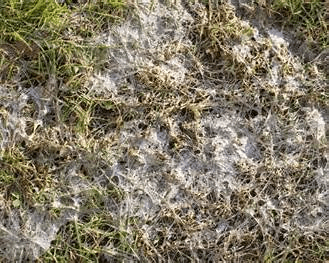
Here are images showing what snow mold looks like on lawns and turfgrass — the fuzzy, matted patches of grass that appear when snow melts in late winter or early spring:
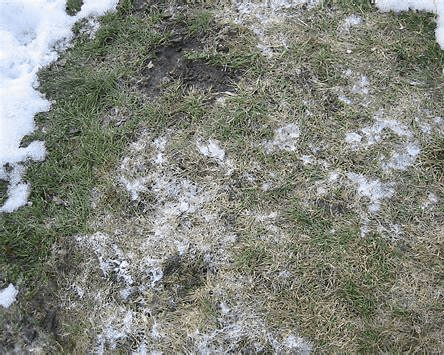
These pictures show typical snow mold symptoms on grass, such as:
- Circular, straw-colored or tan patches of dead, matted grass.
- Grayish or whitish fuzz/mycelium on the surface of the turf.
- Spiderweb-like fungal growth in affected areas.
- Sometimes pinkish tones in pink snow mold types.
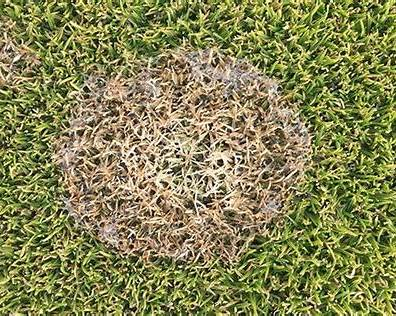
Snow mold is a fungal lawn disease that becomes visible after prolonged snow cover melts, leaving discolored and matted grass where the fungi thrived beneath the snow.

SOS Monthly Newsletter: January Lawn Care Tips: Winter Awareness
January is typically the quietest month for lawn growth, but there are still a few important things homeowners can do—and avoid—to protect their lawn during the heart of winter. Small actions now can prevent damage and make spring lawn care much easier.
Here are some helpful January lawn care tips to keep in mind:
❄️ Limit Traffic on Frozen Grass
Frozen or snow-covered lawns are especially vulnerable to damage. Walking, parking, or storing items on dormant turf can compact the soil and damage grass crowns, resulting in thin or dead spots in spring.
🧂 Use Ice Melt Carefully
Rock salt and harsh de-icing products can burn grass and disrupt soil health. Whenever possible, choose lawn- and pet-safe ice melt products and avoid pushing salt-treated snow onto lawn areas.
🌬️ Watch for Winter Damage
Strong winds, heavy snow piles, or plowing can damage turf, shrubs, and lawn edges. Making note of problem areas now helps ensure they’re addressed early when spring arrives.
🚜 Protect Lawn Features
Sprinkler heads, edging, and landscape borders can be damaged during snow removal. Keep these areas clearly marked and be cautious when shoveling or plowing near turf.
Sutherlands Organic Solutions 401-764-0740
SOS Social Media Outlets
Sutherlands Organic Solutions – Follow us on Facebook, Twitter, and Word Press Blog!
Our purpose is to reach customers and friends to share important tips and facts about lawncare Do’s and Don’ts and much more.
Twitter Username: SutherlandsOrg2
Face Book Page: Sutherlands Organic Solutions
Word Press Blog: https://sutherlandsorganicsolutions.blog
We invite all our customers and friends to follow SOS on all social media platforms this Season; see you there!

 Sutherlands Organic Solutions