Sutherlands Organic Solutions
“We are a lawn care company committed to helping your lawn look its best and our earth help itself.”
Fields That Bring Communities Together: Play Safe. Play Green.
Maintaining professional lawncare on sports and recreational fields is far more than cosmetic—it directly impacts safety, performance, cost efficiency, and community value.
1️⃣ Player Safety
Poorly maintained turf can cause:
- Uneven surfaces → trips, ankle sprains, knee injuries
- Bare patches → harder ground impact
- Poor drainage → slippery, muddy conditions
- Compacted soil → reduced shock absorption
Healthy, dense turf acts as a natural cushion, reducing injury risk for athletes of all ages.
2️⃣ Performance & Playability
Athletes rely on consistent field conditions:
- Smooth turf = predictable ball roll and bounce
- Proper grass height = optimal traction
- Firm but not compacted soil = stable footing
- Good drainage = fewer canceled games
At higher levels (schools, colleges, leagues), field quality can directly influence the quality of play.
3️⃣ Turf Longevity & Cost Savings
Routine maintenance like:
- Core Aeration & Overseeding
- Fertilization
- Irrigation Management
- Proper Mowing
Prevents expensive renovations or full turf replacement. Preventative care costs far less than rebuilding a field.
4️⃣ Aesthetics & Community Pride
Well-kept fields:
- Improve the image of schools and parks
- Attract tournaments and events
- Increase community engagement
- Encourage greater use of outdoor spaces
For municipalities and schools, the field is often a visible symbol of investment in youth and recreation.
5️⃣ Environmental Benefits
Professional lawncare also:
- Improves soil health
- Reduces erosion
- Filters stormwater runoff
- Lowers heat in urban areas
Healthy turf is a functioning ecosystem—not just grass.
6️⃣ Compliance & Standards
Many organized leagues (youth, school, or professional) require fields to meet safety and maintenance standards.
Proper lawncare ensures:
- Surface uniformity
- Adequate drainage
- Safe traction levels
This protects organizations from liability issues.
In Short
Sports and recreational fields aren’t just green spaces — they’re high-performance environments. Professional lawncare ensures safe, even surfaces that reduce injuries, improve playability, and protect your investment.
With proper aeration, fertilization, and turf management, fields last longer, perform better, and reflect the pride of your organization. Because when the field is game-ready, athletes and communities thrive.

Winter Lawn Myths & FAQs 🌱
Myth or Fact: Your lawn needs care during winter.
✅ FACT
Your lawn does need care during winter ❄️🌱
Even though grass is dormant, winter habits play a huge role in how healthy it looks in spring.
Here’s what “winter care” really means:
🚫 Limit foot traffic on frozen grass
🍂 Keep leaves and debris cleared
🧊 Watch for drainage issues and ice buildup
Pro tip: Winter lawn care is all about protection and prevention—small efforts now prevent big problems later.
Myth or Fact: Walking on frozen grass won’t hurt it.
❌ MYTH
Walking on frozen grass can definitely hurt it ❄️🌱
When grass is frozen, the blades become brittle. Foot traffic can snap them and compact the soil, leading to thin or dead spots that often don’t show up until spring.
Pro tip: Avoid walking on frozen lawns when possible. If you must cross it, stick to the same path to reduce damage.
Myth or Fact: Snow protects your grass from damage.
✅FACT — with a catch
Snow can protect your grass. A light, consistent layer of snow acts like insulation, shielding your lawn from harsh winds and extreme temperature swings.
BUT problems happen when snow sits too long or gets compacted:
🧊 Ice layers can suffocate grass
🍂 Debris trapped under snow can cause snow mold
🚶♂️ Heavy traffic on snowy lawns leads to damage underneath
Pro tip: Keep paths consistent and clear debris before snowfall for a healthier spring lawn.
Myth or Fact: You should fertilize in winter.
❌ MYTH
You generally should NOT fertilize your lawn in winter ❄️🌱
When grass is dormant, it isn’t actively growing—so fertilizer won’t be absorbed properly. Instead, nutrients can run off, go to waste, or even harm the lawn and surrounding areas.
The exception:
✔️ Late fall “winterize” fertilizer (applied before the ground freezes) can help strengthen roots and set your lawn up for a strong spring.
Pro tip: Winter is the perfect time to plan your fertilizer program—not apply it.
Myth or Fact: Leaf piles left on the lawn is not good.
✅ FACT
Leaving leaves on your lawn does not help it 🍂🌱
When leaves pile up, they block sunlight, trap moisture, and create the perfect environment for mold, disease, and dead spots—especially over winter.
The only exception:
✔️ A light layer of finely shredded leaves can benefit the soil. Thick layers? Not so much.
Pro tip: If you can’t see grass through the leaves, it’s time to remove or mulch them.
Myth or Fact: Lawns die in winter.
❌ MYTH
Lawns don’t die in winter—they go dormant ❄️🌱
Cold temperatures cause grass to pause growth and conserve energy. Your lawn may turn brown, but the roots are still alive, storing energy for spring.
Why winter care still matters:
🚫 Heavy foot traffic can damage dormant grass
🍂 Debris can trap moisture and cause disease
🧊 Ice buildup can stress and weaken turf
Pro tip: Think of winter as your lawn’s rest season. Protect it now, and it’ll bounce back greener when warmer weather returns.
Have another lawn myth or question? Drop it in the comments 👇 – It might be featured in our next Lawn Myths & FAQs post!

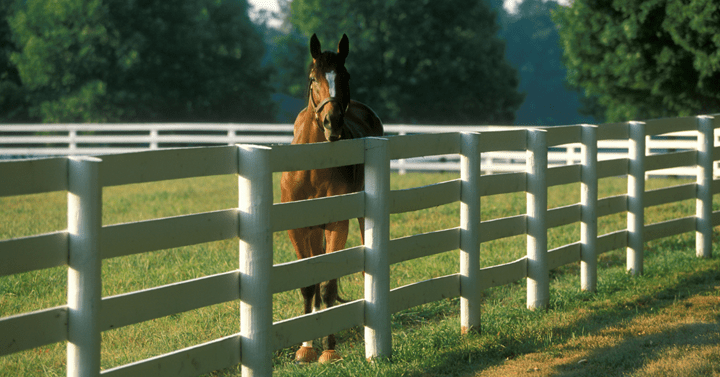
Happy Hooves Start with Healthy Grass: Why Paddock Grass Matters
Treating the turf in your horse paddocks and fields is really important—it’s one of those behind-the-scenes things that keeps horses healthy and your land usable long-term. 🐎🌱
Here’s why it matters:
🌿Keeps Grass Healthy & Nutritious:
Well-managed turf produces stronger, denser grass with better nutritional value.
Healthy Grass:
- Supports digestion
- Reduces the need for extra feed
- Recovers faster from grazing and hoof damage
🐴 Protects Horse Health
Untreated or poor Turf can lead to:
- Mud and uneven ground, increasing the risk of slips, strains, and injuries
- Weeds or toxic plants that horses may ingest
- Parasite buildup, especially in overgrazed areas
Good turf management (fertilizing, aerating, reseeding, and weed control) lowers these risks.
💧Improves Drainage & Reduces Mud:
Compacted soil from hooves stops water from draining.
Treating the Turf:
- Improve soil structure
- Reduces muddy conditions (a big deal for hoof health and skin conditions like mud fever)
- Keeps paddocks usable year-round
🌱Prevents Overgrazing & Field Damage:
Healthy turf regrows faster and withstands wear better.
Healthy – Faster Turf Growth:
- Prevents bare patches
- Limits erosion
- Extends the life of your paddocks so you’re not constantly redoing them
💰 Saves Money Over Time
Good Turf costs less in the long run than:
- Rebuilding damaged fields
- Buying extra hay
- Paying vet bills from preventable injuries or exposure to toxins
🌎 Better for the Environment
Healthy fields:
- Reduce runoff and nutrient loss
- Support soil microbes
- Keep weeds and invasive species under control without heavy chemical use
SOS February Lawn Care Tips: Get Your Lawn Ready for Spring
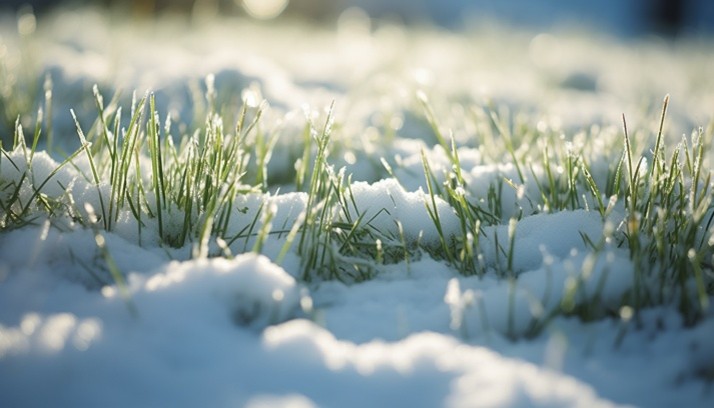
Even though winter is still hanging on, now is the perfect time to start thinking about your lawn. A little preparation in February can make a big difference once spring arrives.
Here are some important spring lawn care tips and reminders to help your yard get off to a strong start this season.
🌿 Plan Early for Spring Services: Spring is our busiest time of year. Scheduling services early ensures your lawn receives timely treatments, such as fertilization and crabgrass prevention, when they matter most.
🚜Clean Up Winter Debris: As snow melts, remove fallen branches, leaves, and debris from your lawn. Clearing these away allows sunlight and air to reach the grass, helping prevent mold and disease.
🌬️ Watch for Snow Mold & Winter Damage: Monitor for gray or pink patches caused by snow mold. Keeping the lawn free of snow piles and winter debris can help the grass recover more quickly as temperatures warm.
❄️ Avoid Heavy Foot Traffic: Grass will be fragile as it emerges from winter dormancy. Limiting foot traffic now helps prevent soil compaction and damage to the emerging grass.
🌿 Start Thinking About Weeds: Many weeds begin growing before you see them. Early spring pre-emergent treatments are one of the best ways to stop weeds before they take over your lawn.
Spring will be here before we know it, and a little preparation now can mean a greener, healthier lawn all season long.
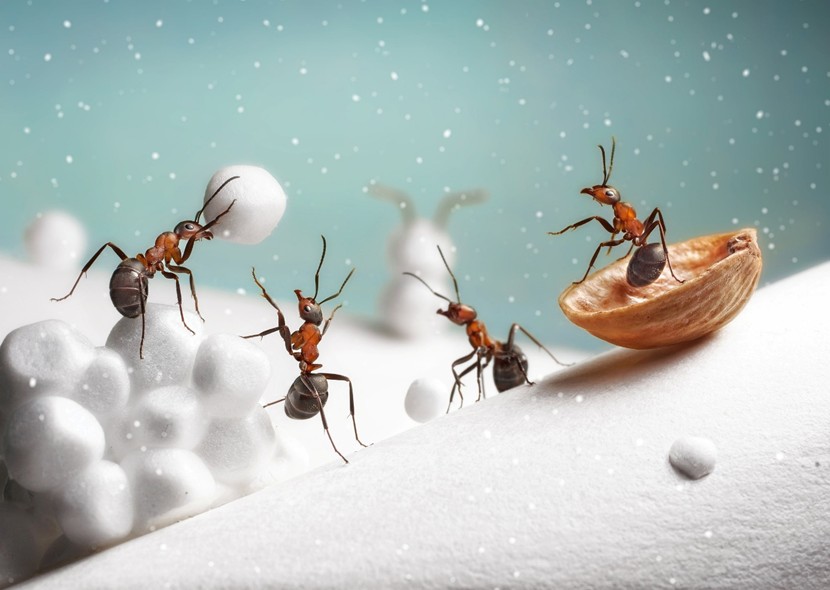
“Do Snowstorms Squash Bugs? The Chilly Truth About Winter vs. Insects”
How cold & snow help:
- Cold kills some insects outright: Sudden, extreme cold (especially without insulating snow) can kill insects that overwinter as adults, eggs, or larvae.
- Snow can limit survival in some cases: If snow comes late or melts early, insects may be exposed to lethal freeze–thaw cycles that damage their cells.
- Fewer survivors = fewer breeders: If enough insects die over winter, there are simply fewer adults to reproduce in spring and summer.
But here’s the catch: ❄️🪲
- Snow is a blanket: A thick, steady snowpack insulates the ground and protects insects overwintering in soil, leaf litter, or bark. This can increase survival.
- Many insects are cold-adapted: Some produce natural antifreeze compounds and can survive temperatures well below freezing.
- Fast rebound in summer: Insects reproduce quickly. Even if winter knocks numbers down, a warm, wet summer can bring populations roaring back.
What really reduces summer insects the most:
- Late hard freezes after early warm spells (catches insects active and unprepared)
- Dry springs (bad for larvae and eggs)
- Cold, wet summers (slows reproduction)
So,what does this mean?
- ❄️ Harsh, inconsistent winters → more likely to reduce insects
- ❄️ Long, steady snowy winters → often protect them
- 🌞 Warm, wet summers → insect boom regardless of winter
 Sutherlands Organic Solutions