Sutherlands Organic Solutions
“We are a lawn care company committed to helping your lawn look its best and our earth help itself.”
Understanding Crabgrass: Why It Appears, How Prevention Works, and Why Fall is Key to Control
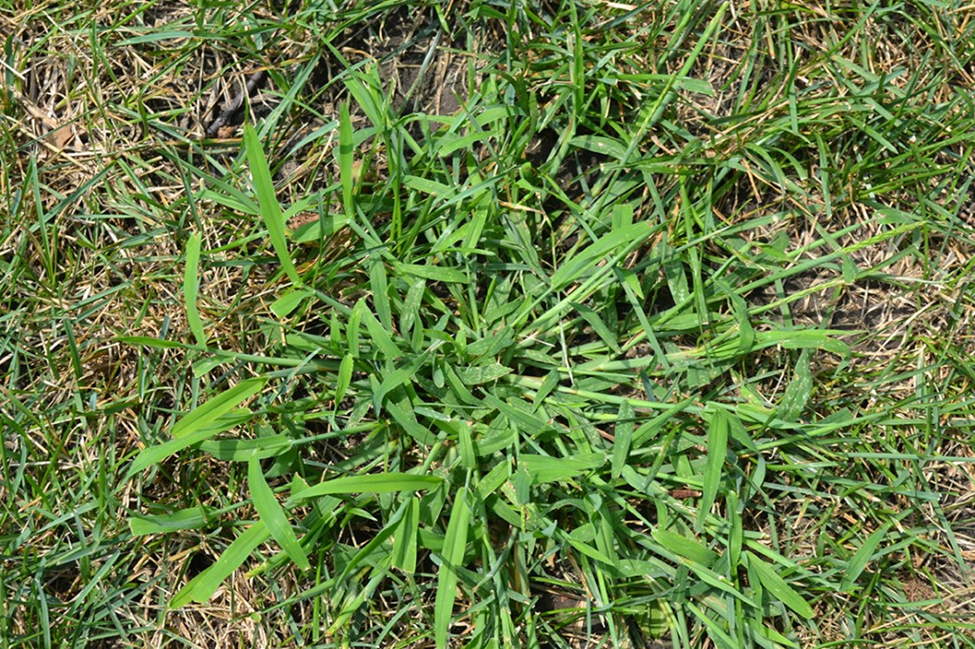
Crabgrass is one of the most common and frustrating weeds homeowners face each year. It seems to appear suddenly, spread aggressively, and linger despite treatment. Understanding why crabgrass behaves the way it does can help you manage it more effectively—and even prevent it long-term.
Why Crabgrass Starts When It Does
Crabgrass is a warm-season annual weed, which means it germinates, grows, and dies all within a single year. Its life cycle is driven almost entirely by soil temperature, not the calendar.
- Crabgrass seeds begin to germinate when soil temperatures reach about 55–60°F for several consecutive days.
- This typically happens in mid-spring.
- Once conditions are right, thousands of dormant seeds in your soil begin to sprout rapidly.
This is why crabgrass can seem to “appear overnight”—it’s been waiting below the surface all along for the perfect conditions.
What Crabgrass Prevention Does in Early Spring
Crabgrass prevention, also known as a pre-emergent treatment, is applied in early spring before the seeds germinate.
Here’s how it works:
- It creates a protective barrier in the soil.
- As crabgrass seeds begin to sprout, the treatment stops the young seedlings from developing properly.
- The plant dies before it can break through the surface and become visible.
Timing is critical. If applied too early, the barrier may weaken before germination. If applied too late, some crabgrass may already be growing.
Why Crabgrass Can Still Appear Despite Treatment
Even with proper prevention or post-emergent treatments, it’s still possible to see crabgrass during the season.
This can be frustrating, but there are several valid reasons:
1. Timing and Weather Variability: Unpredictable weather can quickly shift soil temperatures, causing crabgrass to germinate earlier or later than expected.
2. Barrier Disruption: Heavy rain or soil disturbance can weaken the pre-emergent barrier, allowing some seeds to break through.
3. Existing Seeds in the Soil: Lawns often contain years’ worth of crabgrass seeds, and not all will be controlled in a single season.
4. Thin or Weak Lawn Areas: Crabgrass thrives in bare or stressed areas. If your lawn is thin, it creates ideal conditions for crabgrass to establish itself.
5. Post-Emergent Limitations: Post-emergent treatments can control visible crabgrass, but:
- They work best on young plants
- Mature crabgrass is harder to eliminate completely
- New seeds can still germinate later in the season
Why Fall Aeration & Overseeding is the Best Long-Term Solution
While spring treatments help manage crabgrass, fall is the most important time to truly reduce it.
Core Aeration and Over-Seeding in the fall provide long-term benefits:
1. Thickens Your Lawn: Overseeding introduces new grass that fills in bare spots, leaving less space for crabgrass to grow the following year.
2. Improves Soil Health: Aeration reduces soil compaction, allowing water, nutrients, and oxygen to reach the roots more effectively.
3. Interrupts the Crabgrass Cycle: Since crabgrass dies off after the first frost, fall is the perfect time to replace those areas with healthy turfgrass.
4. Builds Natural Resistance: A dense, healthy lawn is your best defense—grass naturally crowds out weeds, including crabgrass.
Key Takeaway
Crabgrass is persistent, but it’s not unbeatable. The key is understanding that control occurs across multiple seasons, not just with one treatment.
- Spring: Focus on prevention and early control
- Summer: Manage breakthrough and maintain lawn health
- Fall: Strengthen and repair your lawn to prevent future problems
If you take a long-term approach—especially with fall aeration and overseeding—you’ll see fewer crabgrass issues each year. A healthier lawn isn’t just about treating weeds—it’s about building strong turf that keeps them out for good.
Call SOS or visit our website to learn more about crabgrass prevention and/or spring lawn care!
SOS 401-764-0740 // http://soslawn.com
 Sutherlands Organic Solutions