Sutherlands Organic Solutions
“We are a lawn care company committed to helping your lawn look its best and our earth help itself.”
Tiny Tunnels, Big Questions: What Happened to My Lawn?
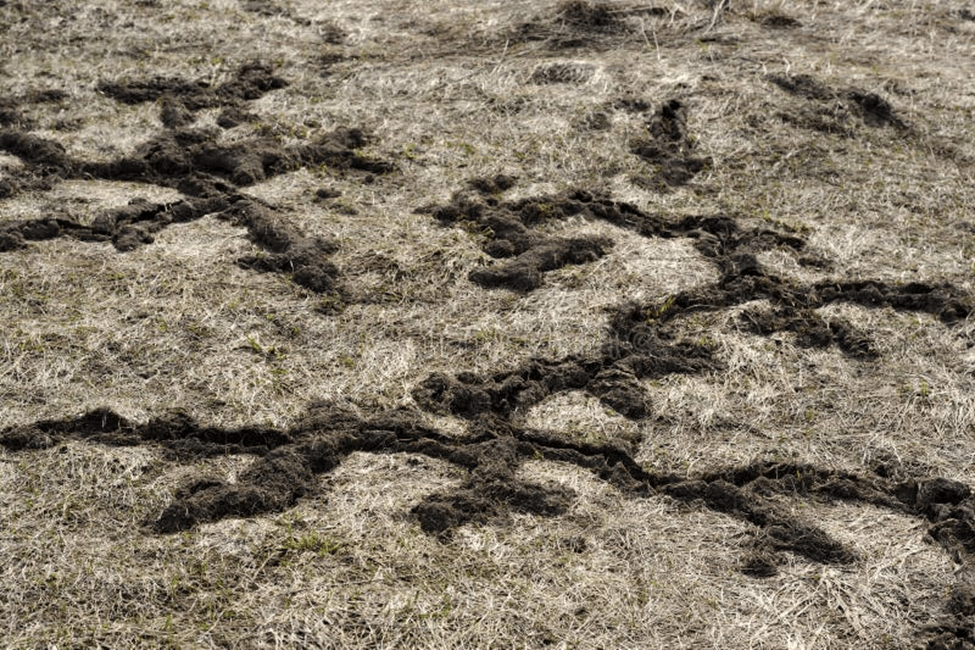
If you’ve ever watched the snow melt away in early spring only to reveal a maze of winding trails across your lawn, you’re not alone. These curious surface tunnels are typically the work of moles and voles—small mammals that stay active all winter long, even beneath a blanket of snow.
While the damage might look alarming at first glance, the good news is that in most cases, your lawn will recover naturally with little to no intervention.
Why Do Moles and Voles Tunnel Under the Snow?
During winter, snow acts like an insulating layer over the ground. Beneath it, temperatures remain relatively stable compared to the freezing air above. This creates a surprisingly hospitable environment for small animals.
Moles and voles take advantage of this by creating tunnel systems in the narrow space between the soil and the snowpack. This zone allows them to:
- Move freely without exposure to predators
- Stay warmer than they would above the snow
- Access food sources like roots, bulbs, and insects
Because the ground is often too hard or frozen to dig deeply, especially during cold snaps, these animals shift their activity closer to the surface—right where you’ll eventually see the evidence.
Why Do the Tunnels Appear in Spring?
All winter long, these tunnels remain hidden under the snow. But as temperatures rise and the snow melts, the protective layer disappears—revealing the network of paths that were formed beneath it.
What looks like sudden damage is actually the result of months of activity that only just became visible.
Do These Tunnels Harm Your Lawn?
In most cases, the answer is: not significantly.
The tunnels may flatten grass and disrupt the surface slightly, but they typically do not kill the lawn outright. Grass roots often remain intact, and once sunlight, air, and warmth return, the grass begins to recover on its own.
What Should You Do About It?
For mild to moderate tunnel damage, a light touch is best, and given a little time, most lawns bounce back naturally.
- Gently rake the area to lift flattened grass
- Walk over raised tunnels to press them back into place
- Resume normal lawn care like watering and mowing as the season progresses
When Might You Need Extra Help?
In more severe cases—where tunneling has been extensive or patches of grass have died—you may need to step in a bit more, but even then, recovery is usually straightforward and doesn’t require major repair.
- Apply grass seed to bare or thinning areas
- Add a light layer of topsoil to improve seed contact
- Keep the area consistently moist to encourage regrowth
The Bottom Line
While mole and vole tunnels can make your lawn look messy after the snow melts, they’re rarely a long-term problem. These animals are simply taking advantage of winter conditions to survive, and the visible aftermath is more cosmetic than catastrophic.
With a little patience—and perhaps some light maintenance—your lawn should return to its healthy, green state before long.
📞 Call SOS or visit our website to learn more about spring lawn care or mole/vole tunnels this spring! SOS 401-764-0740 // www.soslawn.com
 Sutherlands Organic Solutions