Sutherlands Organic Solutions
“We are a lawn care company committed to helping your lawn look its best and our earth help itself.”
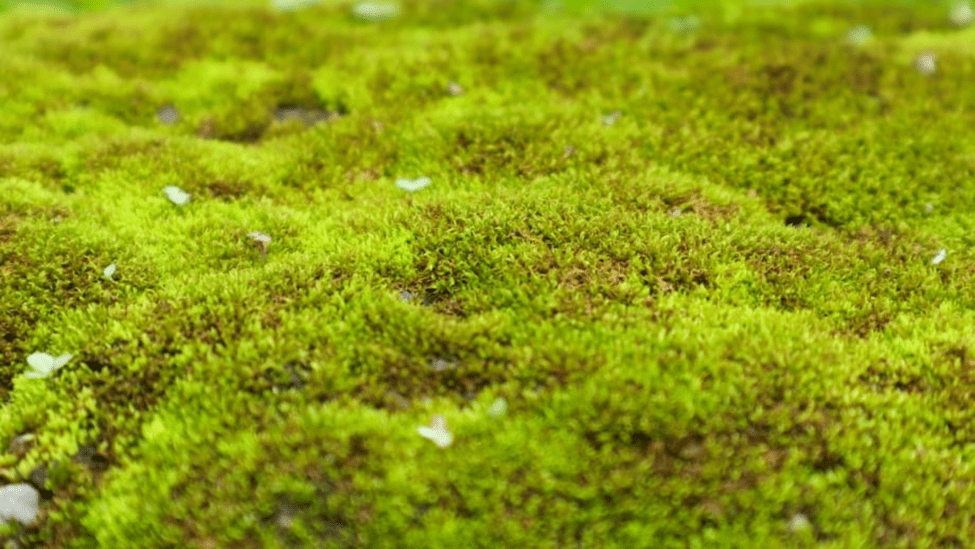
Is moss taking over your lawn after winter? You’re not alone!
As the snow melts, lawns stay cool, wet, and often shaded—perfect conditions for moss to thrive. Meanwhile, your grass is just waking up from dormancy, which gives moss the chance to spread, especially in thin or weak areas.
Moss thrives right after winter for a few key reasons—all of which come together perfectly when snow melts:
🌧️ 1. Excess Moisture
Snowmelt saturates the soil, creating consistently damp conditions. Moss loves moisture and doesn’t need much drainage to survive, unlike grass.
🌡️ 2. Cool Temperatures
Early spring temperatures are still cool, which slows down grass growth—but moss prefers these cooler conditions and can grow more actively.
🌤️ 3. Low Sunlight
In early spring, the sun is weaker, and trees may still be bare, but shaded areas (especially north-facing lawns) stay cool and damp—ideal for moss.
🌱 4. Weak or Dormant Grass
Grass is just emerging from winter dormancy and hasn’t started growing vigorously yet. This gives moss an opportunity to spread without much competition.
🧪 5. Soil Conditions
Moss often appears in:
- Compacted soil
- Poor drainage areas
- Low pH (acidic soil)
- Nutrient-deficient lawns
These conditions tend to worsen over winter, making early spring the perfect time for moss to take hold.
💡 Simple Way to Think About It:
Moss is opportunistic—it shows up when grass struggles. Early spring is basically the “perfect storm” where grass is weak, and moss conditions are ideal.
Combat Moss after Winter:
If you’re noticing more moss this time of year, it’s usually a sign your lawn could benefit from better drainage, soil health, or early-season care. Addressing shade will also help prevent moss from returning.
Have questions about your lawn? We’re here to help! 😊
 Sutherlands Organic Solutions