Sutherlands Organic Solutions
“We are a lawn care company committed to helping your lawn look its best and our earth help itself.”
The Lawn Legacy: Where Green Began
The story of the modern lawn begins not in suburban neighborhoods, but centuries ago, among European aristocracy. What we now see as a simple patch of grass once symbolized wealth, power, and control over nature.
🌱Origins in Medieval Europe
The earliest lawns appeared in medieval castles and estates. Short grass areas around castles served practical purposes:
- They allowed guards to clearly see approaching enemies
- Livestock like sheep naturally keep grass trimmed
- Open grassy areas provide space for gatherings and recreation
Over time, these grassy clearings evolved into intentional landscapes.
🌱The Rise of the Aristocratic Lawn
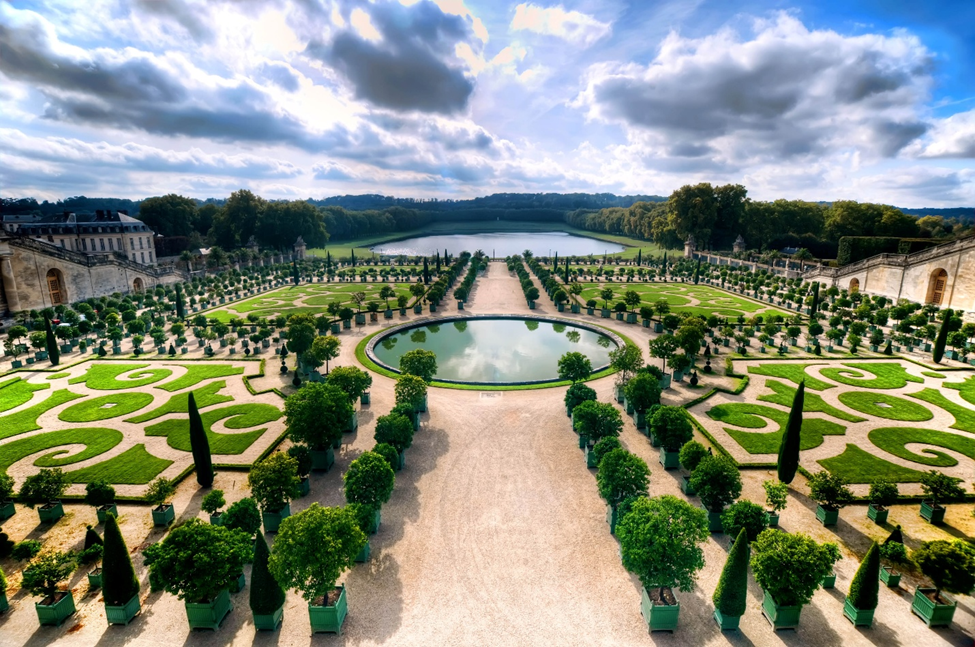
By the 16th–18th centuries, wealthy landowners in places like England and France began cultivating manicured grass fields as a status symbol. Maintaining a lawn required land, labor, and time—luxuries only the elite possessed.
A famous example is the gardens of Palace of Versailles in Versailles, where vast green spaces were carefully designed to showcase royal power and aesthetic control.
🌱Technology Changes Everything
Lawns became accessible to ordinary homeowners after a key invention. In 1830, Edwin Budding invented the first mechanical lawn mower in England. This innovation made it possible to maintain short, neat grass without livestock or large teams of workers.
Soon lawns spread beyond estates to parks, sports fields, and residential yards.
🌱The American Lawn Movement
In the 19th century, landscape architect Frederick Law Olmsted helped popularize the lawn in the United States. His designs for parks like Central Park in New York City emphasized open grassy spaces as democratic places for relaxation and community.
By the 20th century, lawns became a hallmark of suburban life—especially after World War II when housing developments promoted tidy green yards as part of the “American Dream.”
🌱The Lawn Today
Today, lawns are evolving again. Environmental concerns are pushing homeowners toward:
- Native grasses
- Pollinator-friendly yards
- Low-water landscaping
- “No-mow” or meadow-style lawns
The lawn’s legacy continues—shaped by culture, technology, and changing ideas about how we live with nature. From castle courtyards to suburban backyards, the lawn remains one of the most recognizable landscapes in the world.
 Sutherlands Organic Solutions